
Biomimicry in Business: How Nature‑Inspired Design Transforms Organisations, Culture and Strategy
Summary. This blog explores how biomimicry – learning from nature’s 3.8 billion years of R&D – can transform how organisations design strategy, structure and culture. It contrasts the traditional “machine” model of organisations with a living‑systems approach, drawing lessons from ecosystems, mycelial networks and symbiotic relationships to inspire more adaptive, resilient ways of working.
It shows how nature’s principles can inform organisational structures (distributed intelligence, nested teams, redundancy), people and culture (diversity, reciprocity, healthy rhythms), and both internal and external relationships. Finally, it positions biomimicry as a practical tool for leaders and communicators, offering new metaphors and design cues to build regenerative, mission‑driven organisations that behave less like invasive species and more like keystone species in their wider ecosystems.
What biomimicry really is
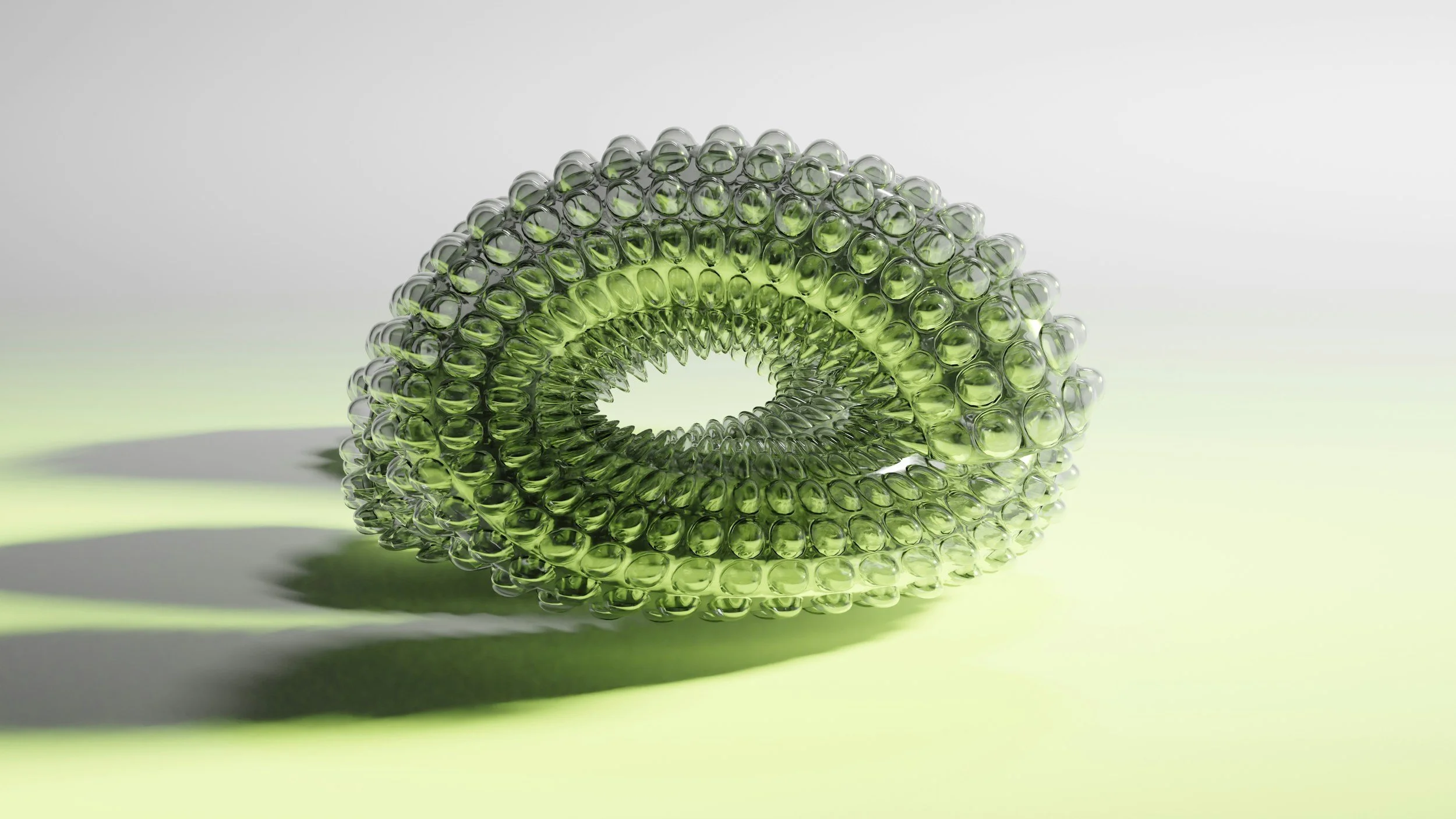
Biomimicry is the practice of learning from nature’s 3.8 billion years of research and development to solve human problems. Instead of asking “What can we extract?”, it asks “How does nature do this here, without waste or collapse?”.
For businesses and organisations facing climate breakdown, social fragmentation and burnout, biomimicry is not just about product innovation; it is a way to redesign how we organise, decide and collaborate.
From machines to living systems
Most organisations are still built on a machine metaphor: rigid hierarchies, siloed functions, fixed plans and linear “input–output” thinking.
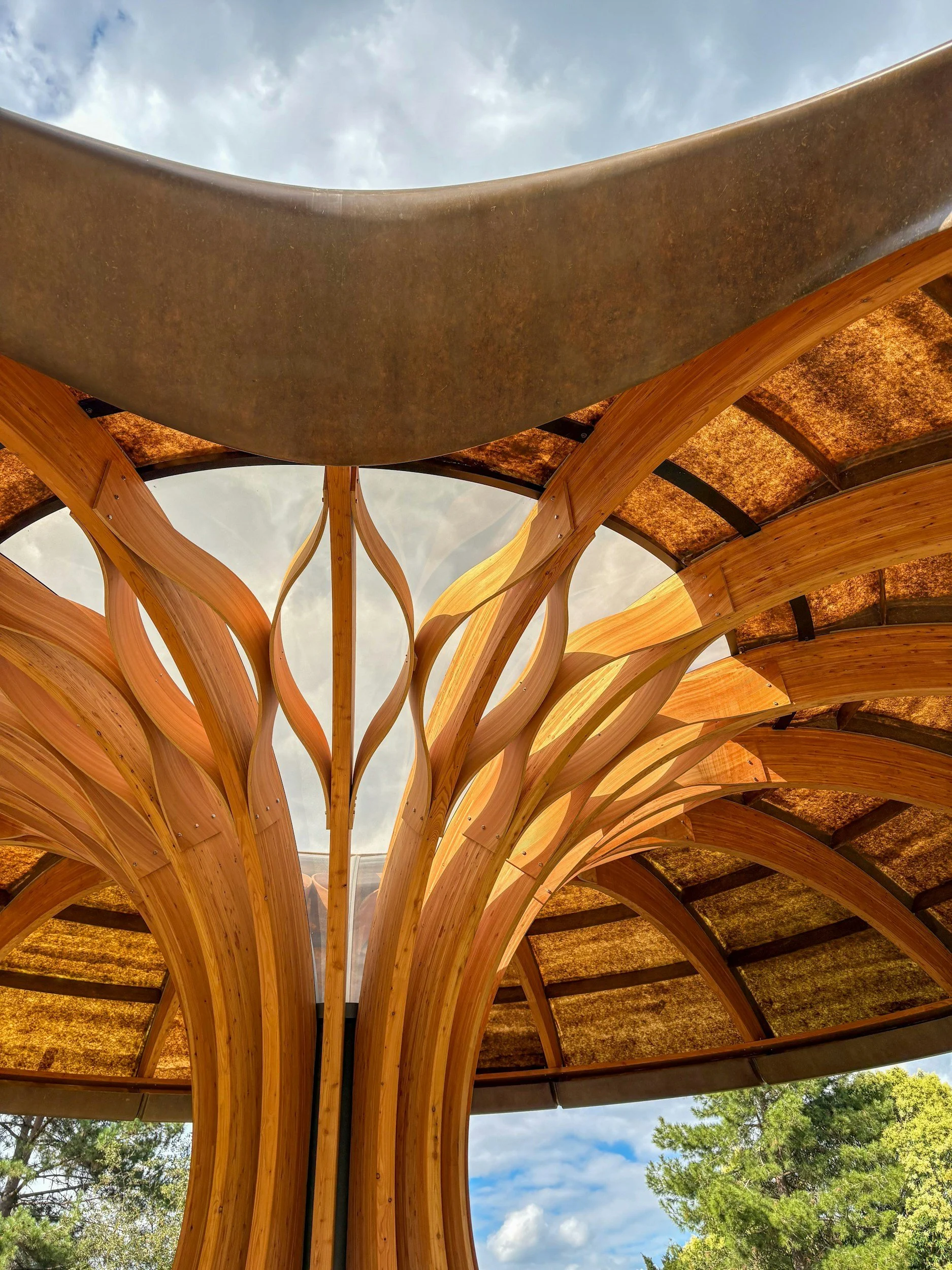
Living systems work differently. Forests, coral reefs and mycelial networks are distributed, adaptive, relational and cyclical. They constantly sense and respond, redistribute resources, and evolve structures as conditions change.
Bring this into an organisational context and a set of powerful questions appears:
How do we sense what is happening in our wider ecosystem early, and act on it?
How do resources (money, time, information, care) actually flow through our organisation?
Where are we trying to control what should really be allowed to adapt?
Biomimicry invites leaders to shift from “how do we make the machine more efficient?” to “how do we help the living system thrive?”.
Biomimicry for organisational structure
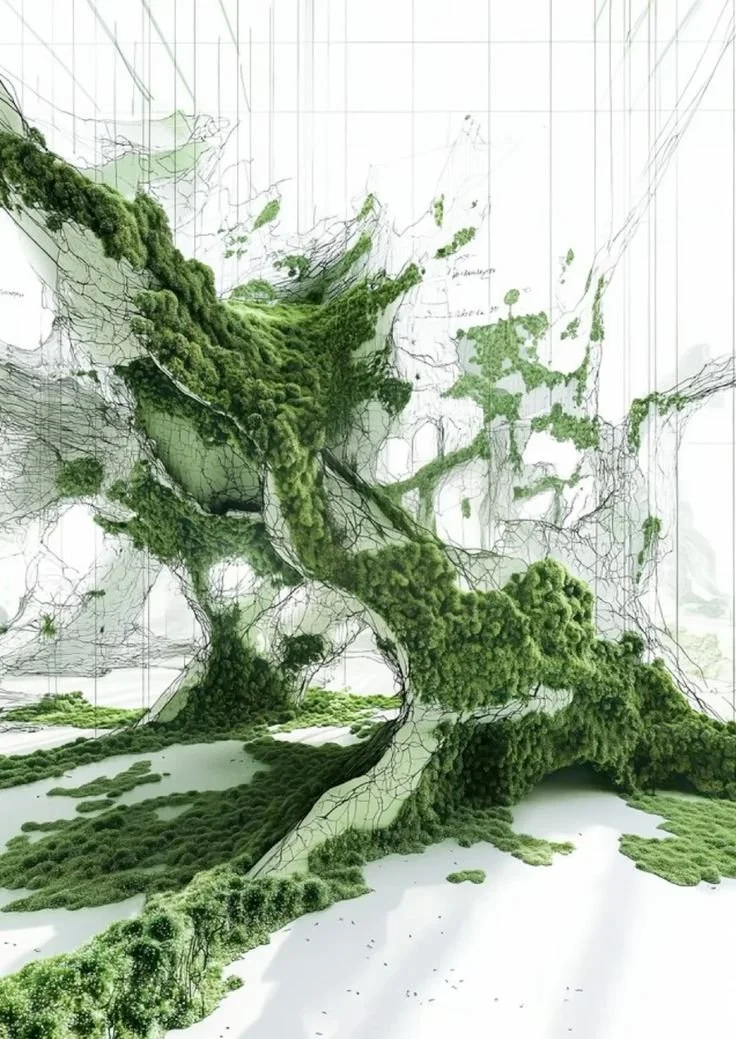
Nature rarely uses rigid top‑down charts; instead, it relies on clear roles, simple rules and nested structures.
Some design cues for organisational structure:
Distributed intelligence
Flocks of birds and schools of fish coordinate through simple local rules, not a central controller. In organisations, this points to empowering teams with clear mandates, boundaries and feedback loops, rather than bottlenecking decisions at the top.Nested systems
Ecosystems are made of nested wholes – cells, organs, organisms, groups, ecosystems. Organisations can mirror this with semi‑autonomous teams, alliances and networks that each have purpose and identity, but are aligned to a shared “north star”.Redundancy and resilience
Natural systems avoid single points of failure. For organisations, this means building backup roles, cross‑training, and shared ownership of relationships, rather than concentrating knowledge and power in a few individuals.
A “biomimetic” structure is less about trendy flatness and more about clarity, flexibility and resilience under stress.
Biomimicry for people and culture
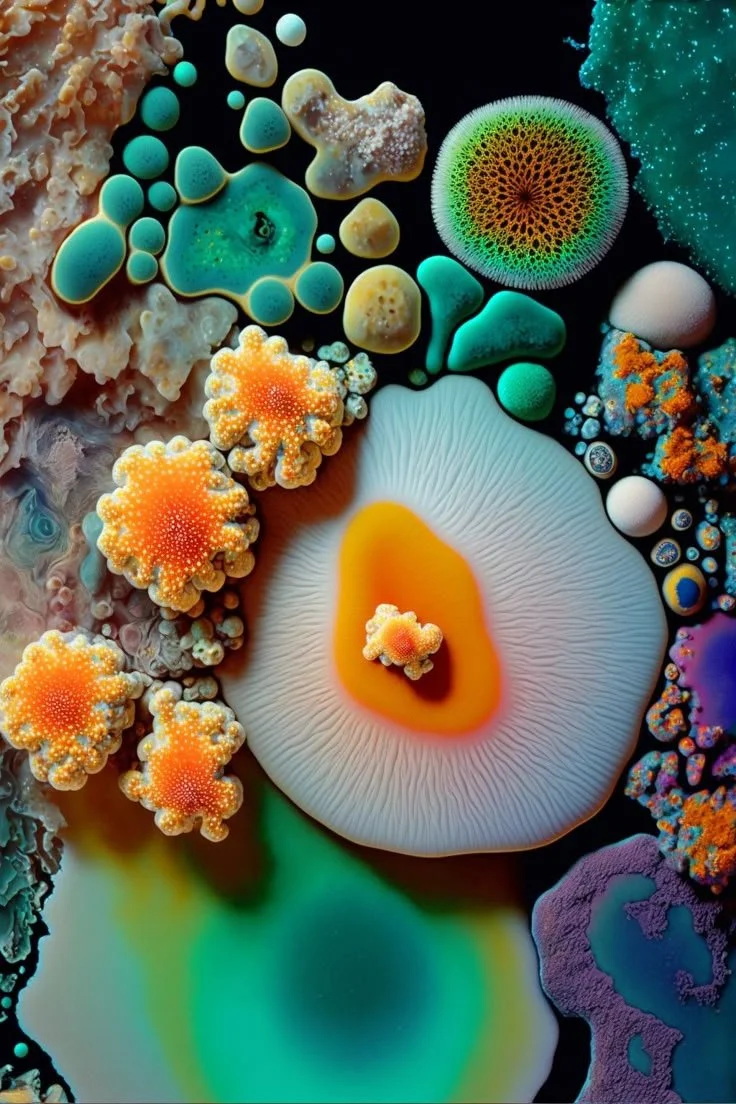
If structure is the skeleton, culture is the metabolism. Nature offers a different way of thinking about people, performance and belonging.
Key principles for culture:
Diversity as a design principle
Healthy ecosystems are diverse; monocultures are fragile. Applied to hiring, leadership and governance, this means intentionally seeking cognitive, cultural and experiential diversity – and designing processes so difference can actually influence decisions.Symbiosis over extraction
Many of nature’s most successful relationships are mutualistic: both parties benefit. Internal cultures built on reciprocity (clear expectations, fair rewards, psychological safety, shared learning) are more innovative and sustainable than cultures based on fear or heroics.Rhythms, not constant acceleration
Natural systems pulse: growth, consolidation, rest, regeneration. Organisations can work with this by designing realistic cycles of push and pause, learning and implementation, rather than treating “emergency mode” as standard.
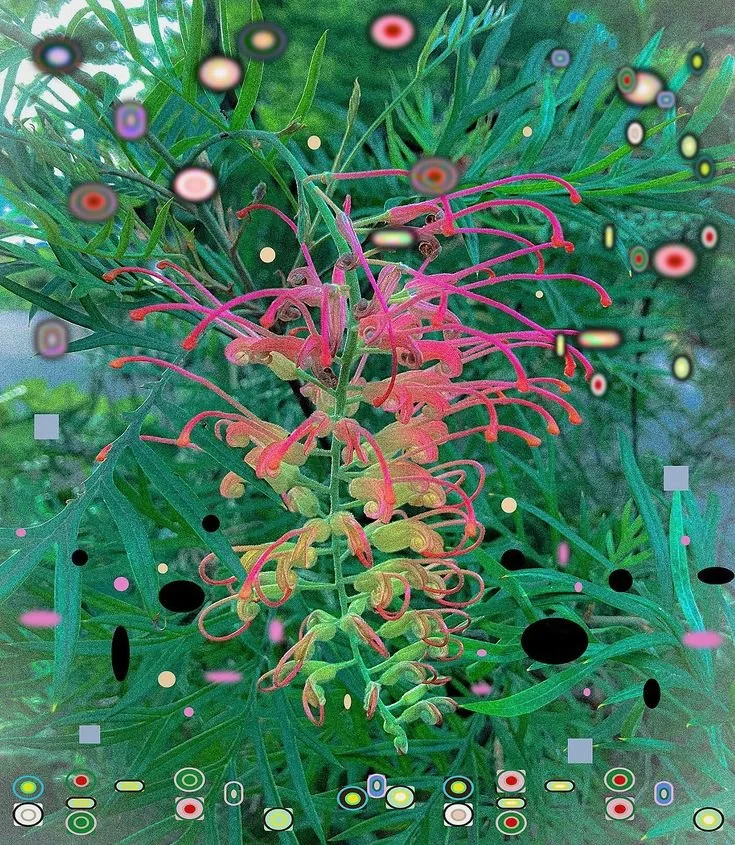
Biomimicry suggests a simple check: would this way of working be viable if it were a species trying to survive in a changing ecosystem?
Internal relationships: teams as ecosystems
Inside an organisation, teams behave more like mini‑ecosystems than like cog wheels. Biomimicry offers useful metaphors and practices:
Mycelial networks and information flow
Fungal networks move nutrients to where they are most needed, based on signals from plants and soil. Similarly, healthy organisations move information quickly to those who can act on it, without hoarding or gatekeeping.Clear niches and edges
In ecosystems, each species has a niche – a role, habitat and set of relationships. Overlaps (edges) are often the most productive zones. Organisations can clarify niches (roles, expectations, decision rights) while deliberately cultivating “edge spaces” for cross‑team collaboration and experimentation.Feedback as nourishment, not punishment
In nature, feedback is constant and non‑moral: if a leaf doesn’t get enough light, the plant grows in a different direction. Organisations can normalise short, frequent feedback loops that help people and projects adapt early, rather than annual verdicts that arrive too late.
This lens moves internal development away from abstract “culture work” towards tangible changes in flows, niches and feedback.
External relationships: organisations as part of an ecosystem
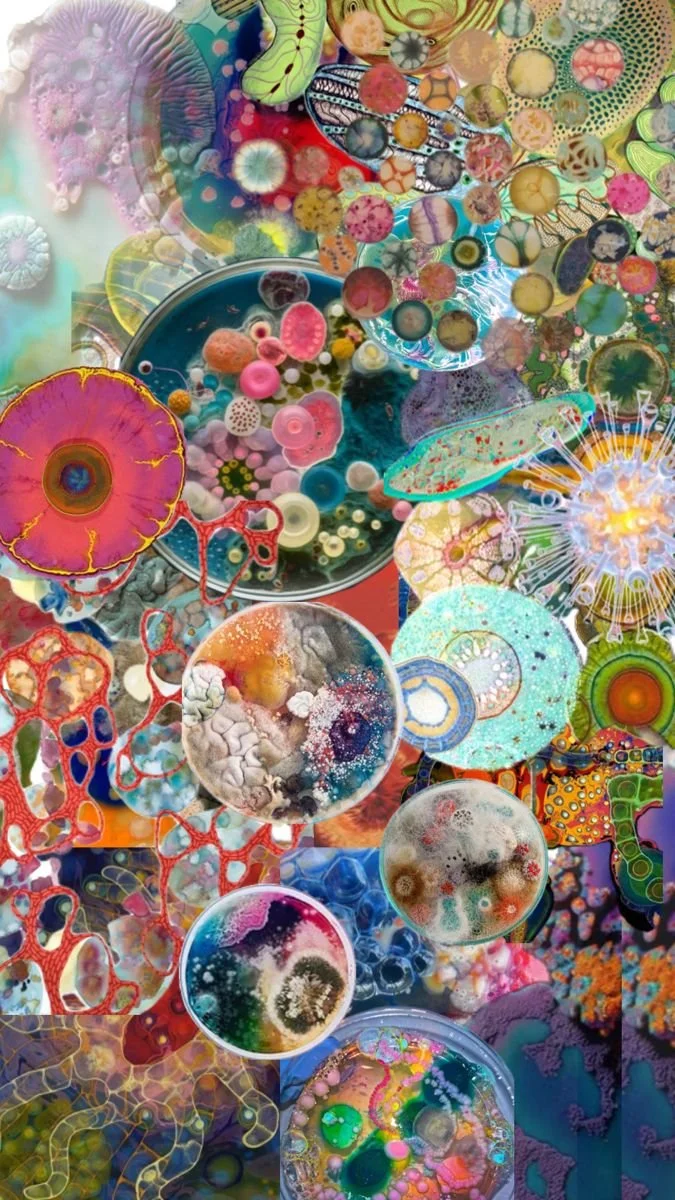
Biomimicry also changes how organisations see their place in the world. No species thrives in isolation; it thrives as part of an ecosystem.
Applied externally, this suggests:
Partners, not “targets”
Stakeholders – customers, communities, suppliers, regulators, funders – are not simply audiences to be persuaded. They are co‑creators, constraints and supports in the wider system. Strong relationships look more like pollination than extraction.Long‑term mutual value
In nature, relationships that over‑exploit one side collapse. Organisations that price in the wellbeing of communities and ecosystems are more likely to build resilient brands and supply chains than those chasing short‑term gains.Listening posts at the edges
Many critical signals appear first at the margins of an ecosystem. Practically, this means staying close to frontline staff, community partners and early adopters – and giving them real routes to influence strategy.
For purpose‑driven organisations, this aligns naturally with commitments to justice, climate and community – but biomimicry gives a language and framework to design for it deliberately.
Biomimicry as a strategy and communications tool
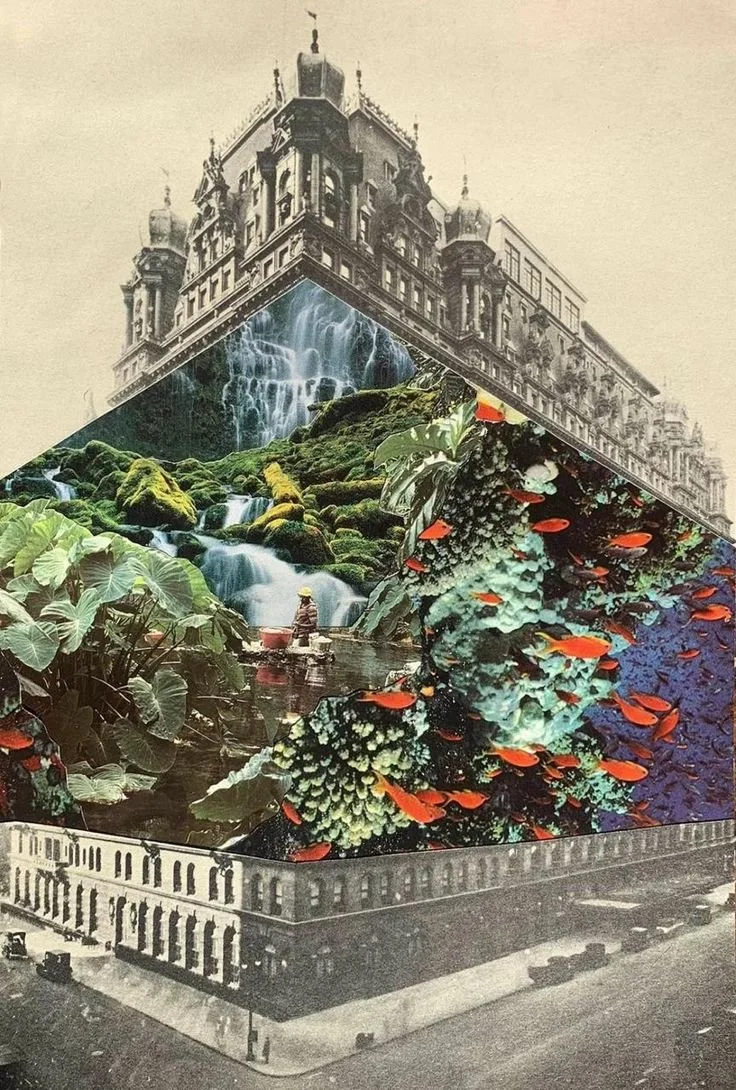
For strat4, biomimicry is more than a sustainability theme; it is a strategic and communications tool.
It helps leaders and teams:
Reframe stuck problems by asking “who in nature already does this well?”
Find metaphors and narratives that make complex systems feel intuitive and human
Design governance, processes and campaigns that are regenerative rather than extractive
In practice, this might look like:
Using ecosystem mapping in strategy workshops to reveal dependencies, risks and opportunities
Designing leadership development around living‑systems principles such as sensing, adaptation and stewardship
Crafting brand and campaign narratives that connect organisational purpose to the living world in concrete, grounded ways
Biomimicry reminds organisations that they are not separate from nature; they are expressions of it. The question is whether they will behave like invasive species – or like keystone species that make life better for many others.
If you’re ready to move beyond machine‑thinking and start designing your organisation as a living, thriving system, let’s talk.
strat4 works with mission‑driven leaders to translate nature‑inspired principles into clear strategies, structures and stories that actually change how work feels – and what it achieves.
Get in touch to explore a biomimicry‑inspired workshop, strategy sprint or communications project for your team, and start building an organisation that is as resilient and regenerative as the futures you’re fighting for.