
industry Insights
Discover the ideas reshaping culture, communication and our understanding of the world we share.
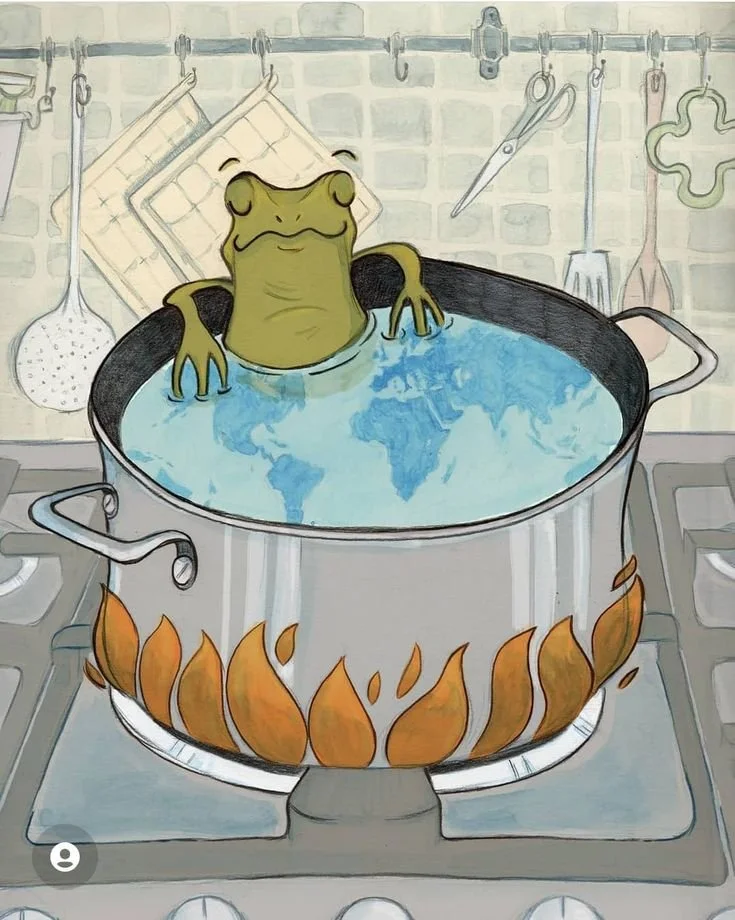
The State of the Union for Climate Progress: 2026
A reflective look at the state of climate progress in 2026 — from political turbulence and energy insecurity to cultural awakening and renewed public demand for accountability. This piece explores how climate action has evolved from awareness to architecture, showing why creativity, collaboration, and courage remain our best tools for building a hopeful future.

Ethos, Logos and Pathos: The Art or Persuasion Behind Effective Marketing
Discover how Aristotle’s timeless principles — ethos, logos and pathos — shape modern marketing and communication. From building trust and credibility to crafting messages that connect emotionally and logically, this piece explores how balancing all three creates persuasive, purpose-driven storytelling.
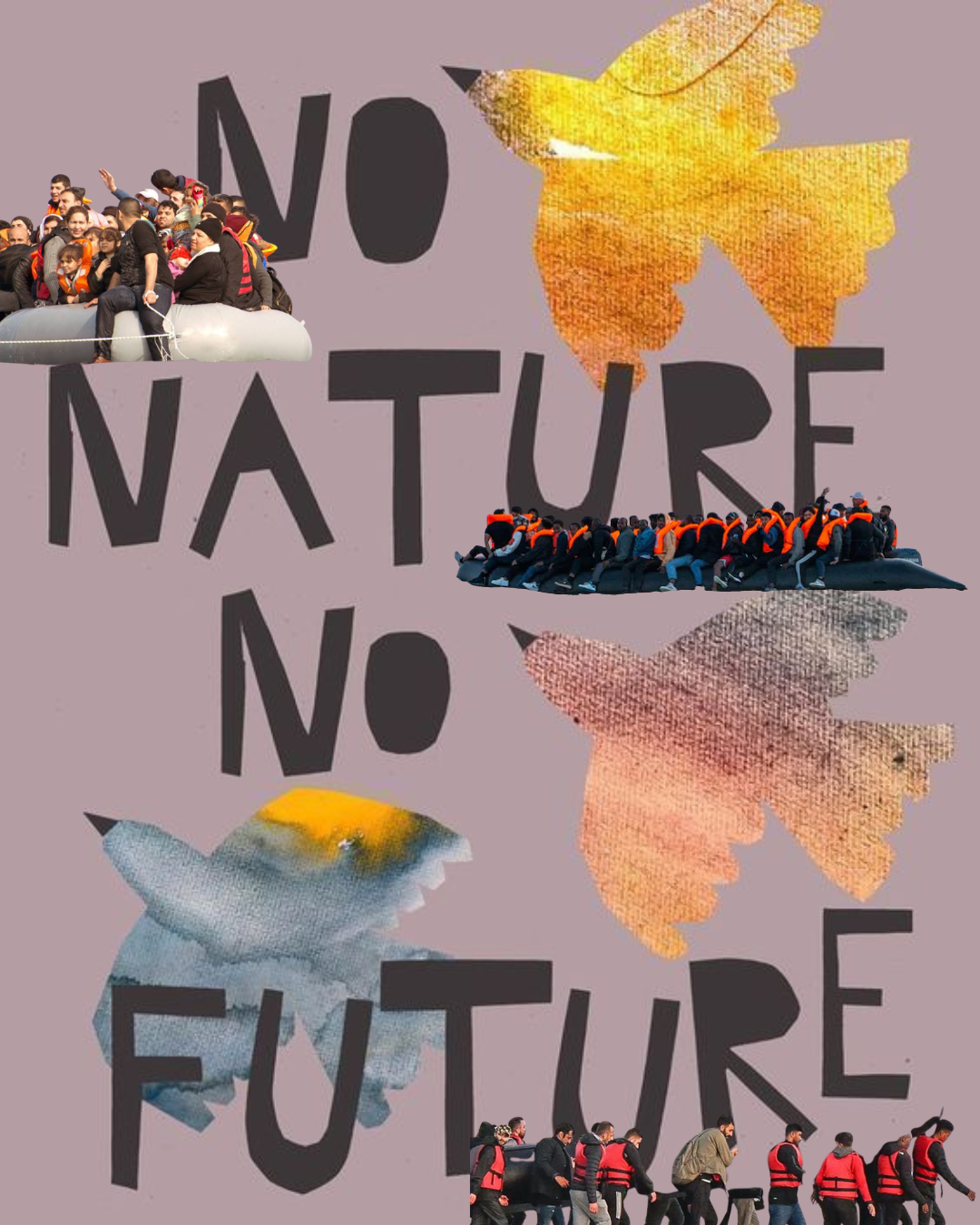
No Nature, No Future: Rethinking Organisational Narratives Beyond the Western Lifeboat
No nature, no future is the organising principle for any organisation that wants to remain legitimate on a damaged planet. In this landscape, it is not enough to tweak ESG policies or craft more persuasive sustainability campaigns. The underlying worldview has to shift.

Enjoyment as a Political Force: Why Your Culture Strategy Has to Go Deeper Than “Values”
Enjoyment is a political force organisations must decode. Culture wars go beyond values and narratives, they’re about the addictive thrill of outrage, resentment and transgression.

From Visibility to Power: What Stuart Hall Offers Progressive Organisations
This blog uses Stuart Hall’s idea of “The Great Moving Right Show” to help leaders and organisations see the landscape they are actually operating in, not the one they assume they’re in. It shows why many progressive campaigns struggle to gain traction—not because their aims are wrong, but because they don’t yet work at the level of deep common sense that Hall describes.

When Power Becomes Its Own Proof: Ideology Critique as Epistemic Audit
What if the real problem with dominant narratives isn’t that they’re morally wrong, but that they are epistemically rigged? Aytac and Rossi’s “Ideology Critique without Morality: A Radical Realist Approach” argues that we should stop treating ideology critique as moral score‑keeping and start treating it as an investigation into how power becomes judge in its own cause.

Culture, Ideology and the Work of Social Movements
If we want social justice, changing laws and attitudes is not enough; we have to change the cultural “toolkits” that make injustice feel normal and deserved. Drawing on Sally Haslanger’s account of ideology as culture gone wrong, this blog explores how social movements are essential culture‑makers.

Biomimicry in Business: How Nature‑Inspired Design Transforms Organisations, Culture and Strategy
Discover how biomimicry can support businesses and organisations redesign structures, culture and relationships using nature‑inspired principles to build resilient, regenerative systems that facilitate new ways of seeing, working and relating the support human life, sustenance and health.

Regeneration Isn’t Just Ecological – It’s Relational
Regenerative projects often fail not from lack of passion, but from neglecting relational human systems beneath their ecological visions – urgency, power dynamics, conflict avoidance and burnout that erode even strong values. This blog explores regeneration as relational practice in communication, decision-making, pacing and governance.

War of Position: Strategic Principles for Transformative Brand Strategy
This blog explores how brands can use Antonio Gramsci’s concept of the war of position to build truly purpose‑driven, transformative brand strategy. It sets out strategic principles for brand leaders who want to go beyond purpose marketing and embed social impact into governance, supply chains, labour standards and product design, aligning brand purpose with real structural change.
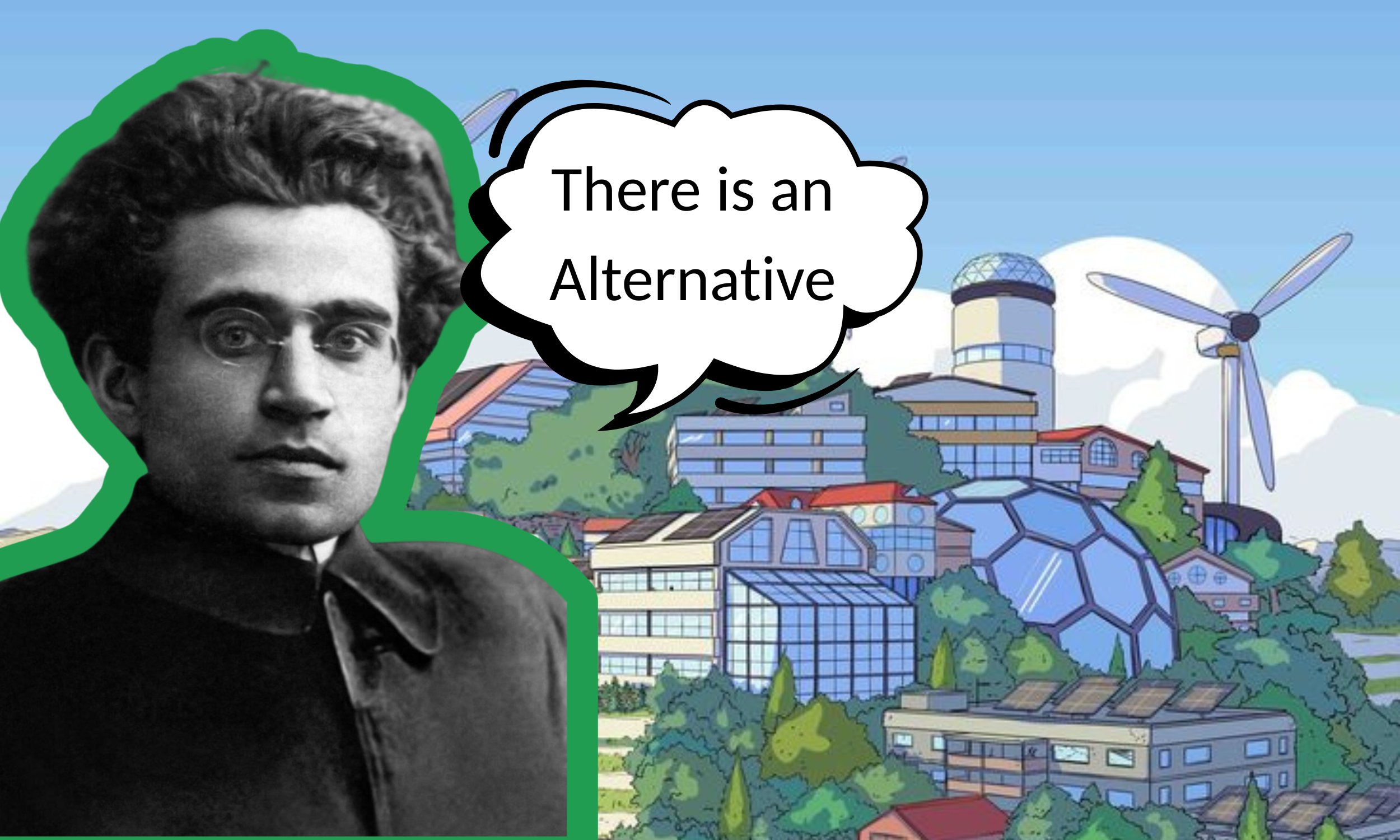
War of Position: How Purpose‑Led Brands Can Rewrite Common Sense
Purpose‑led brands that want to change the world need more than one‑off campaigns; they need a Gramscian “war of position” that patiently reshapes cultural common sense around climate, justice and democracy.

Marketing in the Age of Political Nihilism
Liberal democracy is no longer merely contested; it is being quietly reconstituted. Beneath the noise of culture wars and political polarisation lies a subtler transformation: the absorption of every sphere—politics, business, media and private life—into a single, self-justifying logic of control. In this new order, failure is personal, freedom is managerial and meaning is managed like a brand asset.
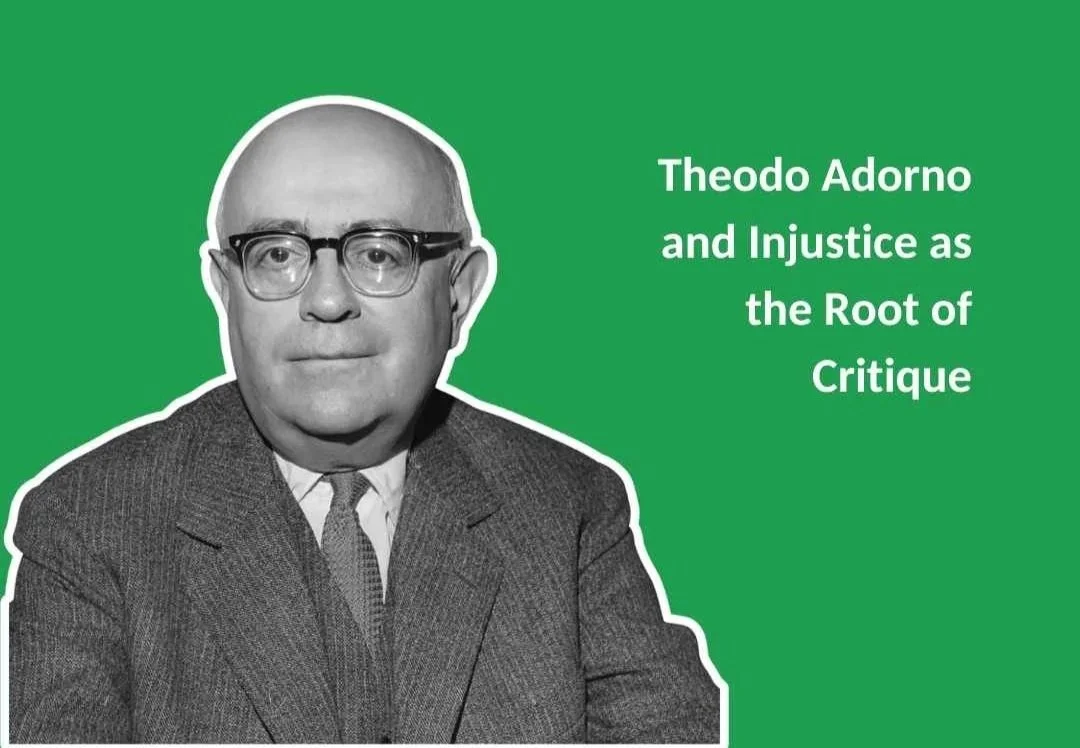
Injustice As The Root Of Critique
Theodor Adorno once wrote that “The splinter in your eye is the best magnifying-glass.” In this blog, we unpack why non-profits and organisations striving for a fairer world must sharpen and articulate their message in a systemic way. We also explore how established institutions can engage with critical perspectives and strive for genuine social accountability.

Green SEO: Building Sustainable Digital Strategies That Rank Higher
Green SEO is transforming digital strategies by combining environmental responsibility with higher search rankings. At strat4, we guide businesses in adopting Green SEO to support long-term sustainability while achieving measurable growth goals.

The Impact of AI on Society
Artificial Intelligence is transforming society not just technologically, but culturally, morally and politically. As AI exceeds human intelligence, redefines agency and reshapes our cognitive processes, it challenges long-standing frameworks of accountability, diversity and interdependence.

Magna Carta: The Long Road to Rights and Liberty
What do the Magna Carta and the Charter of the Forest offer us today? As a record of humanity’s centuries-long struggle for dignity, justice and freedom, these documents remind us of the work of our ancestors, who handed us the torch to continue their work and legacy.
Building an Unforgettable Green Brand: The Three-Step Roadmap (and Pitfalls to Avoid)
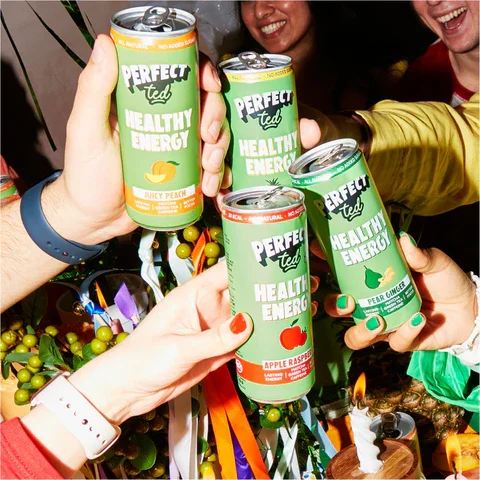
Unforgettable green brands aren’t built overnight, they’re built through consistent memory cues and meaningful associations. At strat4, we guide sustainable challengers with a three-step roadmap: audit brand identity, craft a long-term association strategy and track progress with discipline.

How Green Brands Win: The Power of Distinctive Brand Assets and Entry Points
Green brands win by creating Distinctive Brand Assets, the sights, sounds and cues that make them unforgettable, and by linking those assets to Category Entry Points, the real-life moments when people decide what to buy.

Winning Sustainable Attention: Why Most Green Ads Fail (and How to Stand Out)
Most ads fail because they win attention without building the right associations. In a marketing landscape where 85% of ads don’t even last 2.5 seconds in memory, eco-friendly brands can’t afford to just inspire warm feelings. To shift behaviour, you need more than a message, you need a mental shortcut that makes your brand the obvious choice at the moment of decision. At strat4, we call this the “Attention + Association” formula for sustainable brand growth.

Farage, Reform and Language on Holiday
Nigel Farage and Reform UK thrive on slogans like “take back control” and “stop the boats”, but what happens when political language drifts too far from everyday life? Drawing on Wittgenstein’s idea of “language on holiday”, this piece explores how words can become untethered from lived practices, turning into powerful but empty incantations. The challenge, it argues, is to bring these words back home, rooting “control”, “freedom” and “nation” in the messy realities of work, community and shared life.