
War of Position: How Purpose‑Led Brands Can Rewrite Common Sense
Summary. This blog proposes that brands serious about improving the world need to abandon one‑off “purpose” campaigns and instead adopt a Gramscian “war of position” approach to culture and strategy. Drawing on Antonio Gramsci’s concepts of hegemony, common sense and the war of position, it shows how advanced capitalist societies are held together by deeply rooted narratives that brands can either reproduce or transform. Purpose‑led brands need to act less like “campaign machines” and more like modest “modern princes”: building alliances, cultivating organic intellectuals, reshaping their own ownership and labour practices, and investing in cultural infrastructures that normalise ecological sustainability, social justice and deeper democracy over the long term.
Brands that want to help build a better world, need a long game
Organisations need to focus on reshaping what feels ‘normal’ and ‘fair’ in everyday life, not just launching one more cause campaign.
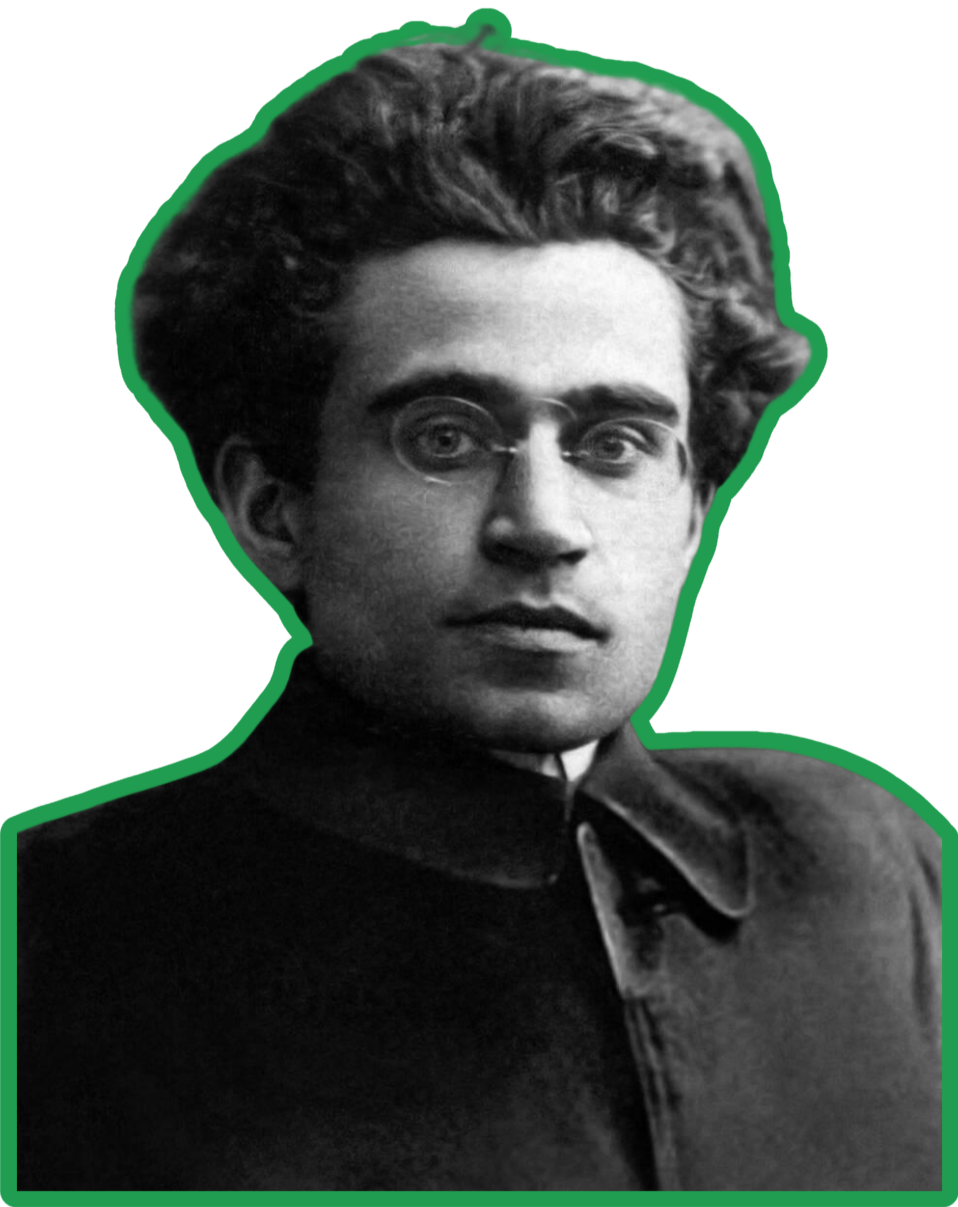
Gramsci’s idea of the war of position offers a powerful way for us to think about that long game, particularly if we want to move beyond shallow ‘purpose’ towards genuine cultural and structural change.

War of position in one minute
In Gramsci’s terms, advanced capitalist societies are held together less by brute force, and more by ‘common sense’ – the taken‑for‑granted stories about markets, freedom, work, prosperity and progress that are reproduced through media, schools, platforms and everyday culture.
When that common sense is stable, direct assaults or attacks on power, what Gramsci termed ‘war of manoeuvre’, rarely work; transformation instead depends on a slow, patient war of position in civil society, building a new common sense that can eventually underpin a different worldview.
For brands, that means treating culture itself as a strategic terrain, where the goal is not just market share but helping a more just, sustainable and democratic good sense displace the exhausted assumptions of neoliberal common sense such as prioritising market-based solutions, possessive individualism and minimal state interference.
From campaigns to counter‑hegemony
Most activism still behaves like a war of manoeuvre: big statements, splashy one‑off campaigns, rapid‑response stunts on social media.
These may generate visibility, but rarely unsettle underlying norms, and can quickly slide into upholding the same structures of power that they seek to alter, if there is a mismatch between narrative and underlying business model.
A war‑of‑position mindset pushes brands to:
Build long‑term narrative arcs that consistently link products, policies and communications to a coherent view of how society could be organised differently, rather than treating “purpose” as a bolt‑on.
Invest in the infrastructures of culture – education, media, grassroots organisations, creators – that slowly shift expectations about what is possible and reasonable.
Accept that meaningful change is cumulative, contested and often indirect, emerging from alliances across civil society rather than from one heroic campaign.

Brands as (modest) modern princes
Gramsci’s ‘Modern Prince’ (inspired by Machiavelli) is the organisational vehicle that translates scattered discontent into a durable collective will, fusing ideas, organisation and everyday practices into a new conception of the world.
Political parties are his primary example, but contemporary movements that aspire to improve the world increasingly operate as hybrid economic‑cultural actors, shaping identities, norms and aspirations well beyond the point of sale.
When we take a war of position approach, we behave less like isolated firms and more like nodal points in a network of broader and similarly inspired movements:
Curating ecosystems of partners, suppliers, communities and cultural producers whose practices embody the world they are advocating.
Cultivating organic intellectuals – employees, community leaders, creators – who can articulate lived experience and translate it into compelling, grounded stories of change.
Treating their own governance, ownership and labour relations as key sites of experimentation, so that the brand’s internal life prefigures the values it claims in public.
What this means for brands that want to help
For brands that genuinely want to improve the world, a Gramscian war of position approach reframes purpose from a marketing proposition into a long‑term project of cultural and material reconstruction. It asks leaders to see their organisations as participants in an emerging counter‑hegemony – one that links ecological survival, social justice and democratic renewal – and to align strategy, structure and storytelling accordingly. Done seriously, this is slower, riskier and less easily packaged than the latest purpose trend, but it is also the only way brands can credibly contribute to the kind of deep transformations that the current crisis‑ridden order now demands.
Part 2 will be published next week — diving deeper into how brands can operationalise a Gramscian war of position through concrete changes to governance, ownership, supply chains and narrative strategy.