
Organisations today are operating in a converging crisis of ecology, meaning and legitimacy. The question is no longer just “how do we survive?” but “how do we live well, justly and sustainably on a damaged planet where Western ideas of progress and growth have run out of road?”.
This is not only an environmental emergency but a moral and intellectual crisis that calls into question our long submission to Western models of politics, economy and the good life.
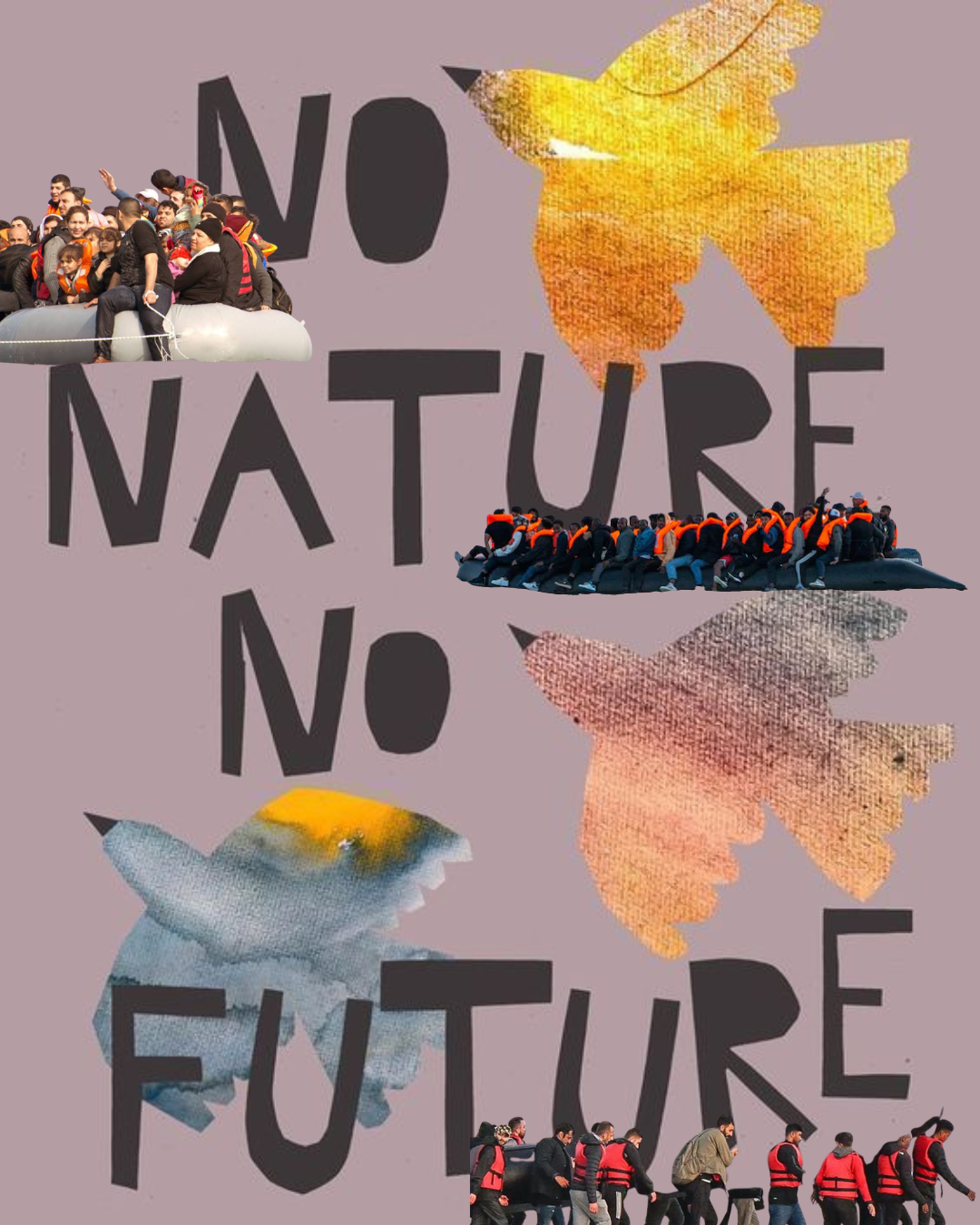
From Lifeboats to Living Systems
The lifeboat metaphor, with its rigid boundaries and scarcity logic, belongs to a worldview where separate, competing units scramble for survival. It quietly reinforces the idea that “we” (usually the Global North, the corporation, the nation-state) are in the boat, and “they” are in the water—an imagination that has always been racialised and colonial.
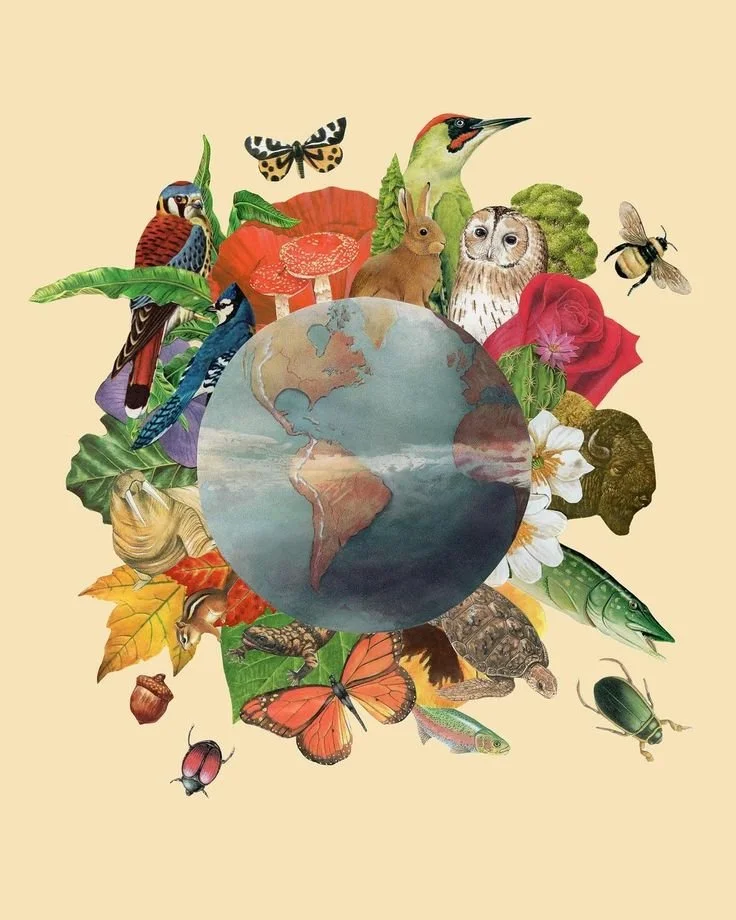
But the reality of climate breakdown and ecological overshoot is not a series of separate boats; it is a single, interdependent living system. “No nature, no future” is not a slogan—it is the basic accounting principle of the twenty-first century. Every organisational decision is now entangled with:
The stability of ecosystems (water, soil, air, biodiversity).
The dignity of communities who bear the brunt of extraction and pollution.
The credibility of institutions that continue to promise “more” on a finite planet.
Moving from lifeboats to living systems means shifting from defensive survivalism to regenerative interdependence: seeing your organisation as a node in a web, not a fortress on the sea.
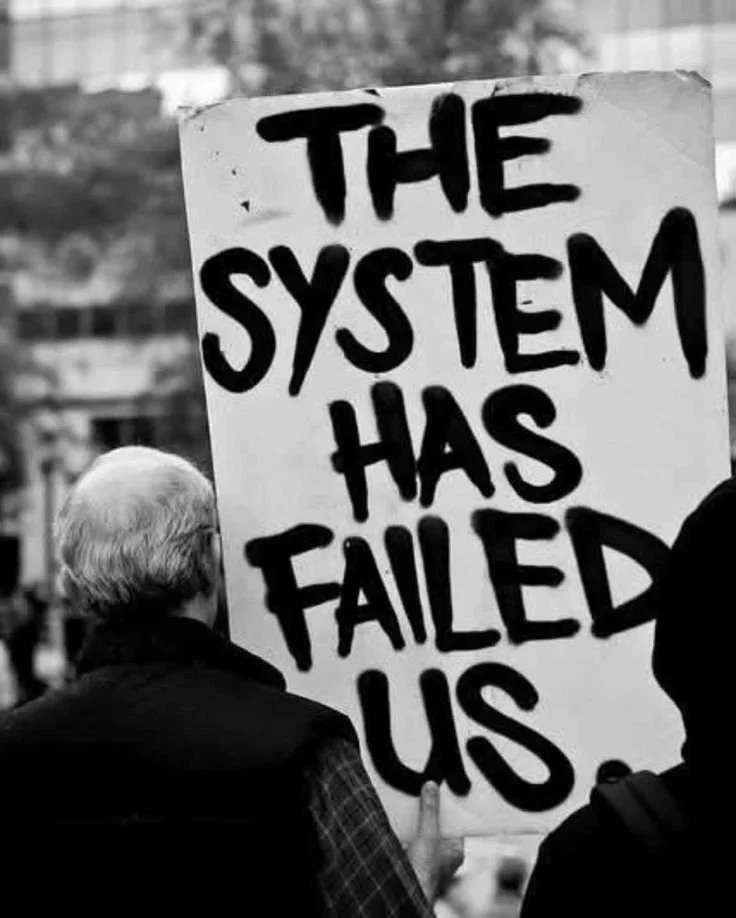
Twilight of the West: When the Default Model Fails
The Western path to modernity can no longer be regarded as normal or universal. The promise that industrial growth, competitive markets and liberal institutions would eventually deliver dignity for all has not only stalled; it has produced deepening inequality, animosity and ecological collapse for the majority of the world’s people.
For organisations, this has three implications:
You cannot treat Western-style growth and governance as the neutral baseline against which all others are judged.
You cannot assume that “catching up” with Western consumption patterns is either possible or desirable.
You cannot rely on old development, ESG or CSR narratives that frame the Global South as needing to follow the same path, only “greener.”
If the dominant model has failed as a global template, clinging to its assumptions is not prudent—it is self-destructive.

The Trap of Post‑Colonial Common Sense
We must recognise both the failure of Western civilisation as a global model and the failure of decolonised nations that tried to emulate it. This is not about wholesale rejection of “the West”; it is about refusing to treat one historical trajectory as the only horizon of possibility.
For organisations, that means:
Questioning inherited assumptions about “development,” “progress,” and “success” that are built on extraction, dispossession and endless expansion.
Recognising that many of the institutional forms we take for granted—corporation, nation-state, border regime, growth economy—are themselves situated, not universal.
Making space for other ways of conceiving state, society, economy, and good life: relational, ecological, community-rooted, plural.
If your strategy still secretly assumes that everyone will—or should—eventually live like a Western middle class under a slightly greener infrastructure, you are operating inside a worldview that is already collapsing.
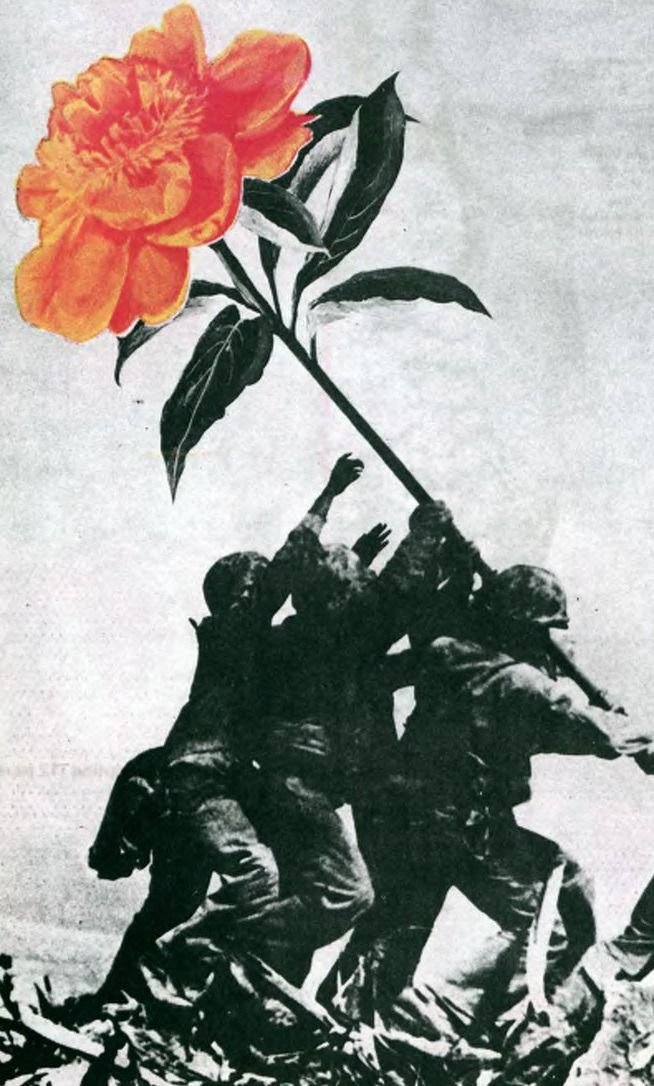
Global Capitalism Without Western Values
Today’s global capitalism no longer needs Western cultural values like egalitarianism, fundamental rights and the welfare state in order to function smoothly. It works just fine—and often better—when paired with authoritarian “alternative modernities” and selective appeals to “regional values”, “tradition” or “cultural authenticity.”
The cruel irony is that anti‑Eurocentrism can be weaponised:
On the surface, Western power is denounced.
In practice, global capital continues to exploit workers, land and data, now wrapped in local cultural legitimations.
Meanwhile, many of the emancipatory strands within Western thought—rights, equality, social protection—are discarded as “Western” just when they could be critically reinterpreted and used against capitalist globalisation itself.
For organisations, this means:
Be wary of narratives that invoke “local culture” “heritage” or “traditional values” to justify hierarchy, precarity or environmental harm.
Resist the temptation to denounce “Western values” wholesale when those values (reinterpreted) can support labour rights, ecological limits and social protections.
Understand that culture talk can either challenge or stabilise extractive systems—depending on who is wielding it and to what end.
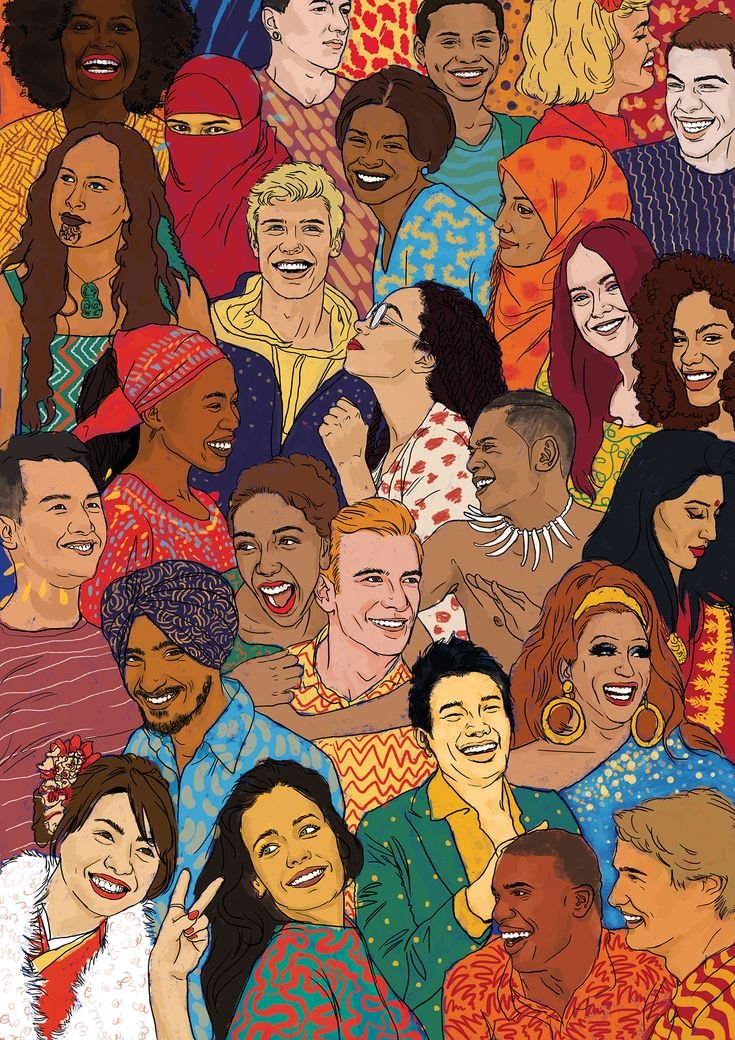
No Nature, No Future: Towards a Different Organisational Ethic
If the Western growth model is in twilight and global capitalism no longer even needs its liberal mask, where does that leave organisations looking for orientation?
A different ethic is emerging at the intersection of ecology, decolonial thought and critical reappropriation of emancipatory Western ideas:
Interdependence over isolation: Not lifeboats, but watersheds, bioregions and supply webs. Your “inside” and “outside” are porous and entangled.
Regeneration over extraction: Strategies that restore ecosystems and communities rather than merely reducing harm at the margins.
Plurality over monoculture: Recognising many ways of living well, while also defending shared commitments to dignity, rights and ecological limits.
Critical universalism over relativism: Refusing both the arrogance of “our model fits all” and the fatalism of “anything goes in the name of culture”.
For leadership and communications, this asks for narrative work as serious as any capital investment: rewriting who you think you are in relation to land, labour and the more‑than‑human world.

Questions to Ask Inside Your Organisation
To move from “lifeboat” thinking to “no nature, no future” practice, organisations can start with hard, internal questions:
Where does our strategy still assume infinite nature—perpetual growth, endless resources, limitless waste sinks?
How do our narratives position the Global South and marginalised communities: as sites of risk and resource, or as co‑authors of different futures?
Where are we using “culture”, “tradition” or “local values” to avoid confronting power imbalances or ecological limits?
Which Western‑derived values (rights, equality, social protections) can we critically reclaim and align with decolonial and ecological commitments?
How are we redistributing not just money, but decision‑making power and epistemic authority—who gets to define problems and solutions?
These are not communications tweaks; they are governance and strategy questions that then require careful, honest storytelling.
Rewriting Your Story for a Liveable Planet
If “no nature, no future” is now the baseline reality, your organisation’s legitimacy will increasingly rest on whether your worldview matches the world we actually live in. That means:
Moving beyond crisis messaging to a coherent picture of what a dignified, sustainable life looks like in your context—and what you are willing to change to help enable it.
Bringing ecological limits, decolonial critique and critical universalism into the centre of strategy conversations, not treating them as specialist side‑tracks.
Crafting narratives that reject both nostalgic Western universalism and cynical cultural relativism, and instead name the shared stakes of living well on a finite Earth.
We work with organisations to:
Surface the hidden metaphors and assumptions (growth, modernity, progress) embedded in your strategies and communications.
Co‑create narrative frameworks that centre ecological interdependence, dignity and justice—drawing on multiple traditions of thought, not just Western ones.
Align your external story with internal governance, so your commitments to “no nature, no future” show up in practice, not just in messaging.
If you’re ready to move beyond the lifeboat and start rewriting your organisational story for a world after the “normality” of Western modernity, get in touch to begin a focused narrative and strategy review.