
Ethos, Logos and Pathos: The Art or Persuasion Behind Effective Marketing
At STRAT4, we talk about the power of clarity, understanding who you are as an organisation, what you stand for, and how to translate that consistently across everything you say and do.
But clarity isn’t just a strategic exercise. At its core, it’s about persuasion: giving people a reason to listen, believe and act. And long before digital marketing or brand strategies existed, Aristotle captured this in three simple ideas: ethos, logos and pathos.
These classical principles remain at the heart of how we help organisations communicate today.
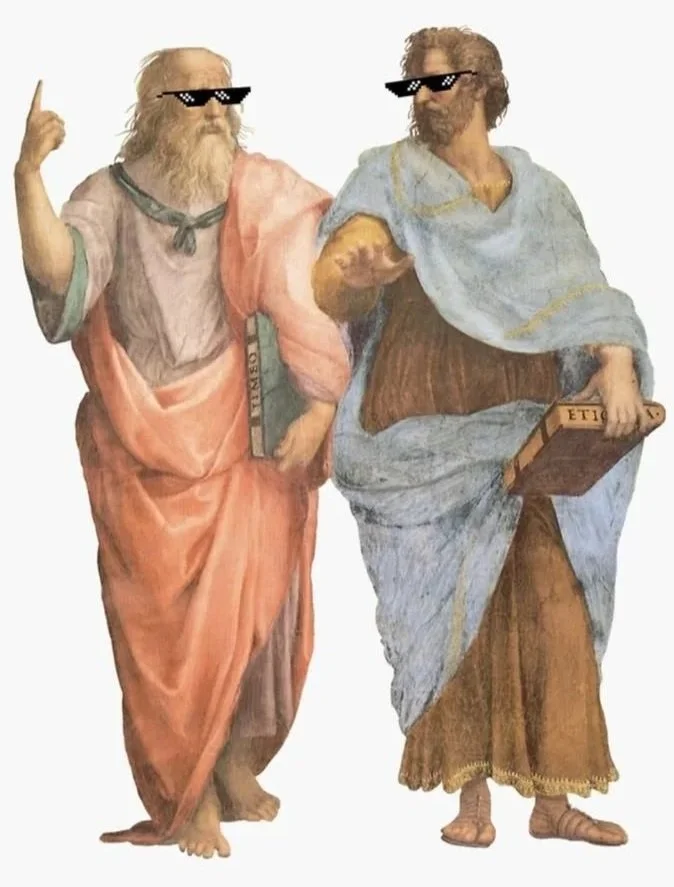
Ethos
Ethos is your credibility: the character and integrity behind your message. For organisations this is expressed through your values, your expertise and the trust you build through consistency.
Whether you’re a research institute sharing evidence-based insights, or a sustainability consultancy demonstrating measurable impact, ethos ensures your audience believes you mean what you say.
At strat4, we help brands develop tone of voice and messaging frameworks that communicate authority without losing authenticity — so your expertise feels both credible and human.
Ethos answers the question: Why should your audience trust you?
Logos
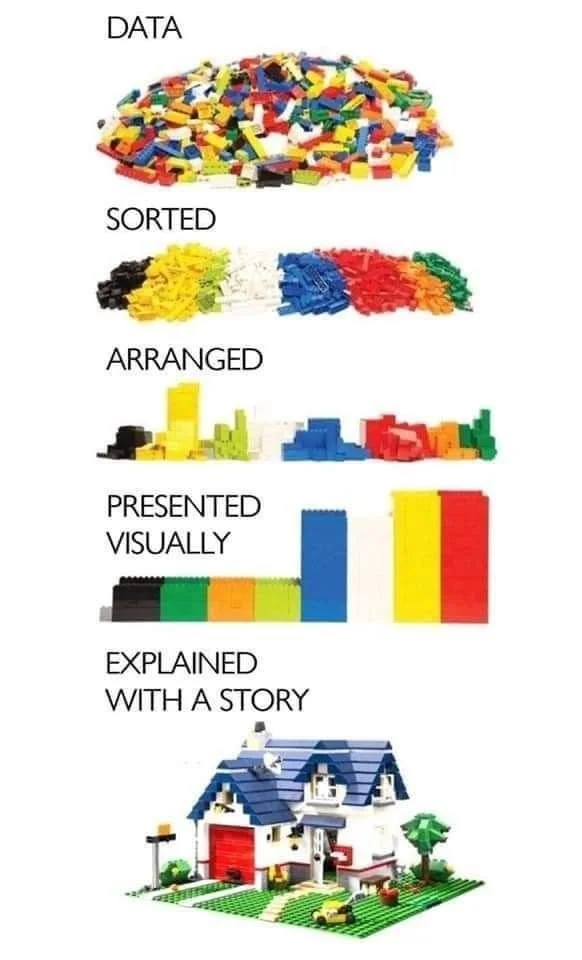
Logos is where strategy comes in. It’s about structure, reasoning and coherence — helping audiences understand why your work matters and how you create value.
In our work, logos often takes shape through clear narrative architecture: aligning messaging to your strategic goals, simplifying complex ideas, and ensuring every communication builds meaning rather than noise.
Strong logic doesn’t mean dry communication — it means giving your audience the clarity they need to make informed decisions and to trust you as a confident voice.
Logos answers: Why does this make sense?
Pathos
Finally, there’s pathos, the emotional pulse of a message. Emotion activates empathy, imagination, and memory — essential if you want people not just to understand your message, but to feel something about it.
Think of storytelling that connects human experience to brand purpose: a renewable energy company spotlighting a family’s transition to solar, or a creative agency connecting its design work to community regeneration. Pathos doesn’t manipulate emotion; it harnesses it responsibly to clarify what truly matters.
Pathos answers: Why should your audience care?
Bringing It Together
Effective communication rarely relies on just one mode. Audiences are complex; the most resonant messages combine ethos, logos and pathos in harmony.
Start with ethos — establish credibility and values.
Build with logos — ground your message in logic and evidence.
Connect through pathos — make your story matter on a human level.
Marketing that leans too heavily on data risks feeling cold; storytelling without substance risks losing trust. The real skill lies in balance — crafting communications that are credible, clear and compelling.
At strat4, we help purpose-driven organisations find that balance. Because whether you’re persuading an audience, inspiring action or building community, great communication begins with understanding why people believe, think and feel.