
The State of the Union for Climate Progress: 2026
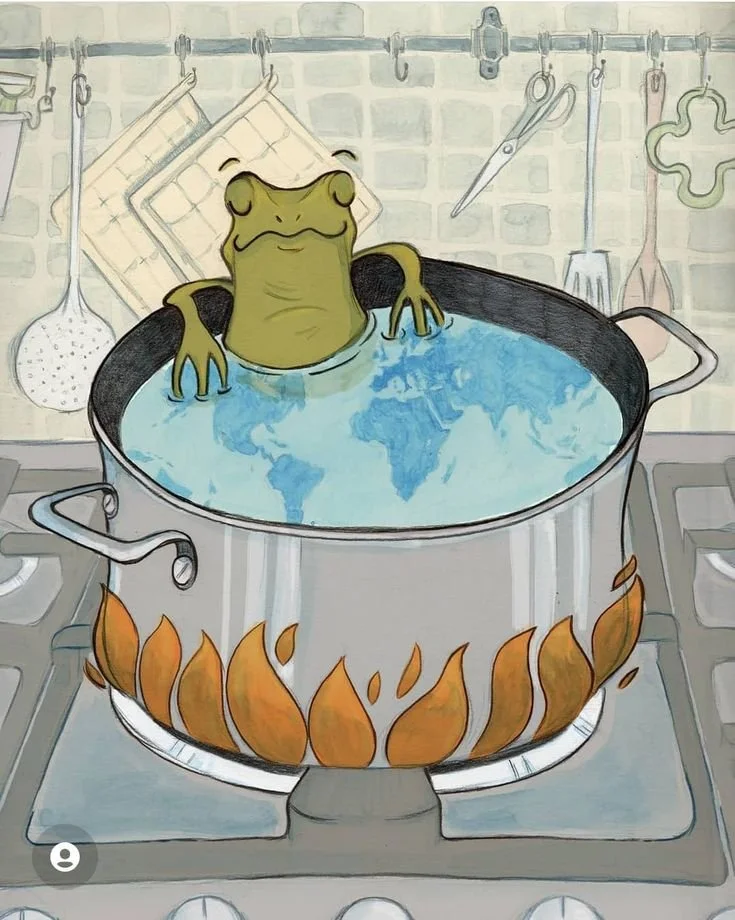
If this were a State of the Union address, it would begin with honesty. The planet is still running a fever and we’re still behaving like frogs in a slowly boiling pan. Global temperatures in 2025 were the highest on record, and the window for limiting warming to 1.5°C has closed. And yet, this doesn’t have to be a story of failure. We can choose how to frame this moment and we can frame it instead as one of awakening, acceleration and a deepening recognition that the climate era is the greatest, existential challenge of our time.
The Reality Check
Emissions are not yet falling anywhere near fast enough. We need to be reducing our emissions by 13.5% every year 📉 However, currently global emissions are still rising year on year 📈
Fossil fuel subsidies still outweigh renewable investments in several major economies. Deforestation in tropical regions ticked upward again last year, and heatwaves reshaped cities from Los Angeles to Lahore. For too long, progress has meant promises, not the kind of radical structural and systemic transformations that are required.
The Groundswell of Change
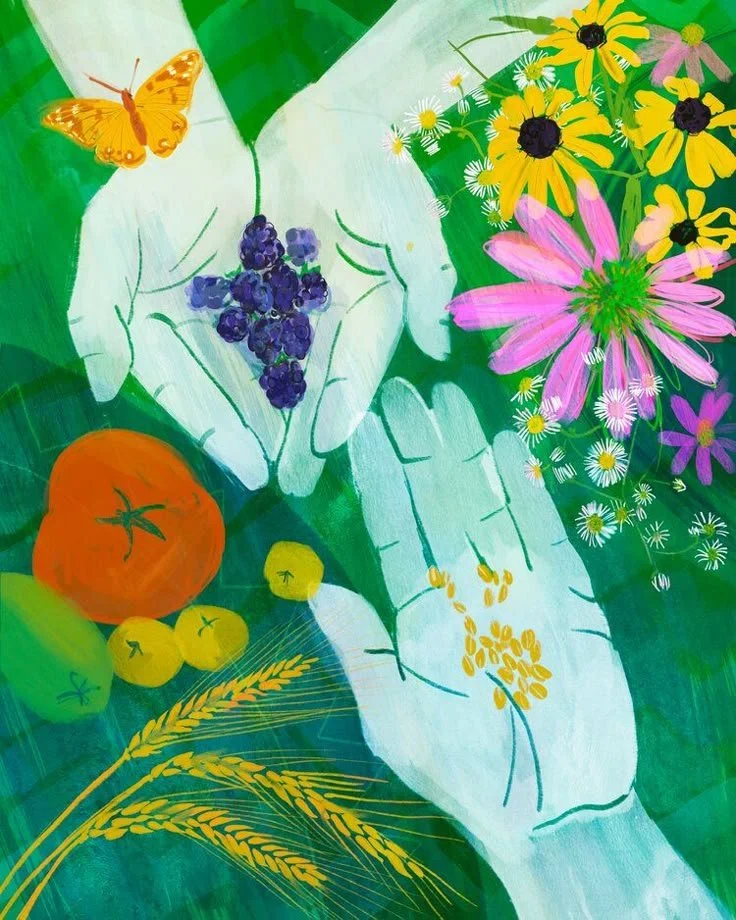
Still, something remarkable is happening. Solar and wind now supply more than 40% of Europe’s electricity. The United States passed its first full year under the Inflation Reduction Act, catalysing a national clean energy boom. Across Africa, innovators are leapfrogging outdated grids with community-based micro-energy systems. Young activists continue to push leaders beyond caution and into moral urgency.
The climate movement has evolved: less about opposition, more about regeneration. Farmers, engineers, creatives and economists are rewriting what “growth” means by linking planetary health with human prosperity and social justice.
The Cultural Shift
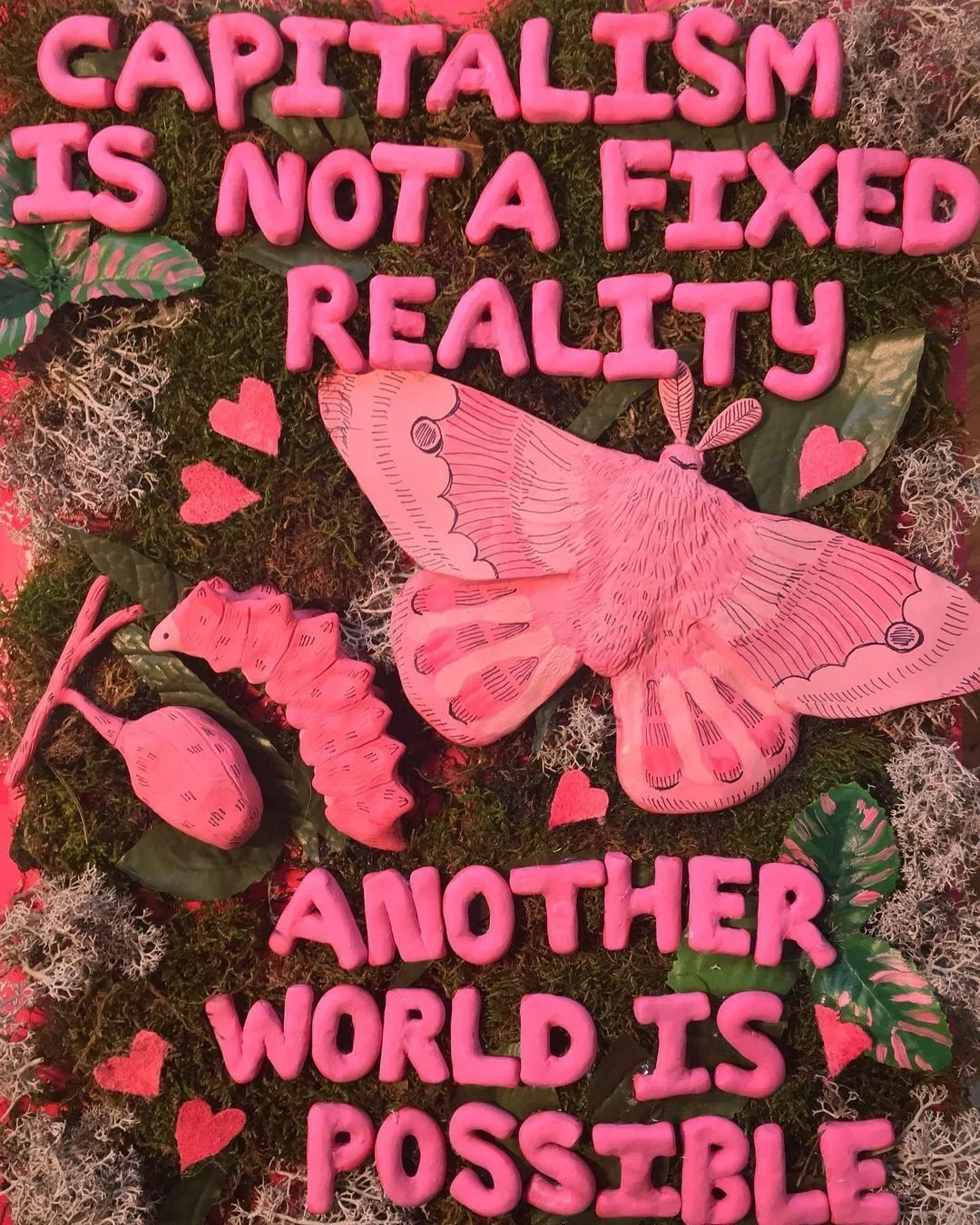
Perhaps the most telling progress of all is cultural. Words like “biodiversity”, “sustainability” and “just transition” have broken out of policy documents and into mainstream life shaping headlines, marketing briefs and dinner table debates.
A March 2026 poll by the National Trust found that only 15% of voters believe the government is doing a good job of protecting nature. On the surface, that figure looks bleak. But in truth, it signals something profound: people are paying attention. Public expectations around environmental care have risen and complacency now draws as criticism and voter re-alignment.
This is the real cultural shift, not just awareness of environmental issues but a demand for accountability. The climate story has become part of our moral compass, a shared measure of integrity and leadership in every sector of society.
The Work Ahead
So, where do we stand in 2026? At the tipping point between awareness and action. The task now is not to convince people why climate action matters, but to show how it improves lives such as by providing cleaner air, fairer economies, more secure futures.
The recent conflict initiated by the United States and the resulting instability around the Strait of Hormuz, has laid bare a truth the world can no longer ignore: energy dependence is vulnerability. When supply routes falter, economies tremble and national security weakens. There has never been a clearer demonstration that true sovereignty depends on renewable, domestically sourced energy. Energy independence isn’t just an environmental goal, it’s a matter of national security and self-determination.
Governments must move from incentives to enforcement. Businesses must move from pledges to proof. And each of us must see our choices, what we eat, build, invest in and vote for, as levers of systemic change.
The era of half-measures is over; the work ahead is to transform awareness into architecture, the physical, political and moral structures of a sustainable world.

A Closing Note of Hope
The state of the climate union is unfinished. The story isn’t over, because the solutions already exist. The question is whether we scale them with the urgency this moment demands.
We can still build a world that reflects the best of human creativity and collective care. And 2026 may yet be remembered as the year we stopped describing climate change as a crisis and started living as though it were the defining project of our generation.
The climate era demands more than good intentions. It demands our imagination, our strategic thinking and our courage.
We work with those reshaping systems from the inside out: organisations, researchers and creators who see hopeful futures not as dreams, but as design challenges. If you’re ready to turn insight into action and communication into real-world impact, we’d like to work with you.